
The Facts on PFAS
Archived page. This is the home page 3M published at pfasfacts.com from September 2019 to May 2025, restored word for word from the Internet Archive capture of 30 May 2025. The statements on it are 3M’s, made at that time. They are not current scientific or regulatory guidance. What has changed since · View the capture · About this archive
What are PFAS?
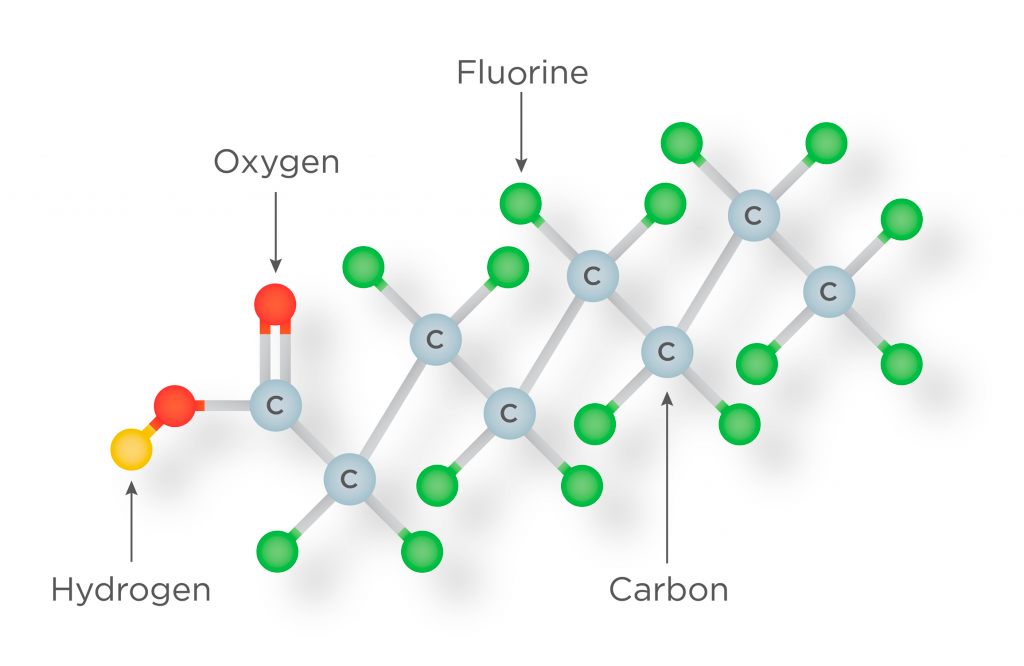
PFAS stands for a broad group of perfluoroalkyl and polyfluoroalkyl substances. The group contains several categories and classes of durable chemicals and materials with properties that include oil, water, temperature, chemical and fire resistance, as well as electrical insulating properties. Such characteristics are critical for use in important product applications across many industries. 3M is one of several companies that produce some of these materials.
What are PFAS Used For?
Different classes of PFAS are used in the manufacturing of a variety of products. Beyond well-known applications like carpet protectant and non-stick cookware, PFAS are used in important products such as surgical gowns and drapes, where these materials help prevent infections. They are also critical to the manufacturing of electronic devices such as cell phones and semi-conductors. Commercial aircraft and low-emissions vehicles also rely on PFAS technology.

Where Did PFAS Come From?
Processes to commercially produce PFAS were first developed in the 1940s. In the 1950s, 3M began manufacturing PFOA and PFOS, two types of PFAS, for product applications because of their ability to repel water, protect surfaces, resist heat and many other useful properties.

In the 1960s, the United States Navy developed life-saving firefighting foams using PFAS with support from 3M. The Navy patented the technology and required its vessels carry AFFF to protect the lives of U.S. sailors, airmen and flight officers after 134 sailors died in a fire aboard the USS Forrestal in 1967 – one of the worst naval disasters in American history. To this day, the military specification governing AFFF requires the use of PFAS-based surfactants given their unique and life-saving properties. 3M, however, no longer manufactures or sells the PFAS-based surfactants used in AFFF.
As analytical technologies improved, 3M discovered that PFOS and PFOA were widely present in miniscule amounts in the environment, animals and people. Given the potential for PFOA and PFOS to build up over time, 3M voluntarily phased out the production of PFOS and PFOA – the first company to do so.
3M has shared hundreds of reports and extensive analyses with regulators and even competitors, which has helped to inform PFAS product stewardship programs, use and disposal regulations, and environmental remediation programs around the world. 3M continues to invest in research and testing of these compounds and other materials we use in our products.
Should PFAS Be Banned?
PFAS make up a diverse group of chemicals and materials consisting of different categories and classes. That’s why each compound should be evaluated based on its unique physical and chemical properties. A ban of all PFAS would eliminate a wide variety of important products that enable many aspects of modern society.
It is the role of the EPA to review the different PFAS compounds and the best available science to determine how PFAS compounds should be regulated.

Are PFAS harmful?
Although certain PFAS have been detected in the environment at low levels, their mere presence does not mean they’re harmful. Each PFAS compound needs to be evaluated based upon its own properties.
For example, 3M and others have done decades of research on possible health effects of PFOS and PFOA exposure in animals and people. These are two of the legacy PFAS compounds that are no longer produced or used in the United States or Europe.
Some studies have shown that at very high doses some PFAS compounds can result in adverse health effects in animals. However, the weight of scientific evidence does not show that PFOS or PFOA causes harm to the environment or people at current or historical levels. Research has shown that the levels of PFOS and PFOA in the general population have dropped by more than 70 percent since 2000.

What Does the Science Tell Us About PFAS?
While some research has indicated possible associations with certain biomarkers or health outcomes in people for PFOA and PFOS, results across studies examining these endpoints have found either inconsistent or conflicting observations and do not show causation. 3M and other leading experts around the world continue to research PFAS to look for potential health issues.

The PFAS Expert Health Panel formed by the Australian Government determined in its March 2018 report that, “there is mostly limited or no evidence for any link with human disease” and “there is no current evidence that supports a large impact on an individual’s health.” They also report that “there is no current evidence that suggests an increase in overall cancer risk.” However, they recommend that research continue, including efforts to gain a “better understanding of how PFAS affects humans and at what level.”
In the United States, the Agency for Toxic Substances and Disease Registry – tasked by Congress to study the effects of hazardous substances – reported in May 2018 that “the available human studies have identified some potential targets of toxicity; however, cause and effect relationships have not been established for any of the effects, and the effects have not been consistently found in all studies.”
Archive note, added in 2026: since this page was published, the International Agency for Research on Cancer has classified PFOA as carcinogenic to humans (Group 1) and PFOS as possibly carcinogenic to humans (Group 2B), in December 2023, and in April 2024 the U.S. EPA set enforceable drinking water limits of 4.0 parts per trillion for PFOA and for PFOS. The 2018 ATSDR draft quoted above was finalised in May 2021. Both links above no longer work; archived copies: Australian Government expert panel page, April 2018 and ATSDR profile page, February 2019. What has changed since.
3M supports continuing research into the potential effects of PFAS in people and the environment.
Go to 3M.com/PFAS to learn more about the research we have done and the actions we have taken.
Original page footer, as archived
©Copyright 2019. 3M and PFASfacts. All Rights Reserved.